
NEURO: Securing neurological devices.
Advancing cybersecurity for brain–computer interfaces and neural implants, protecting users of neural and medical implant technologies through resilience and safety engineering.
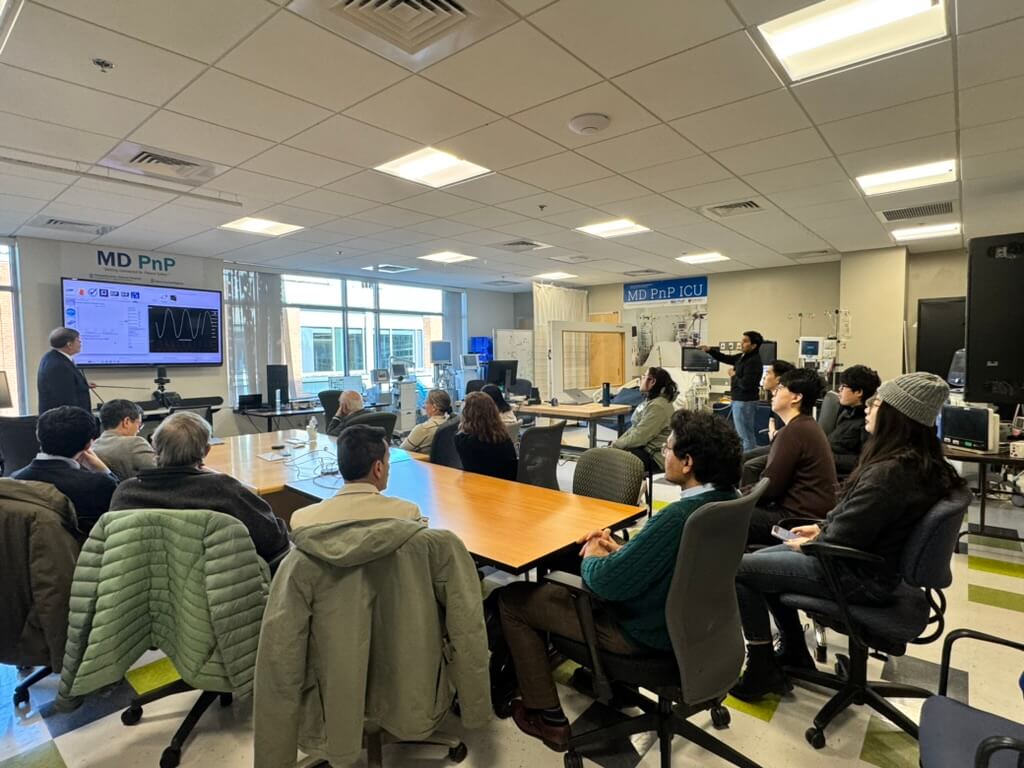
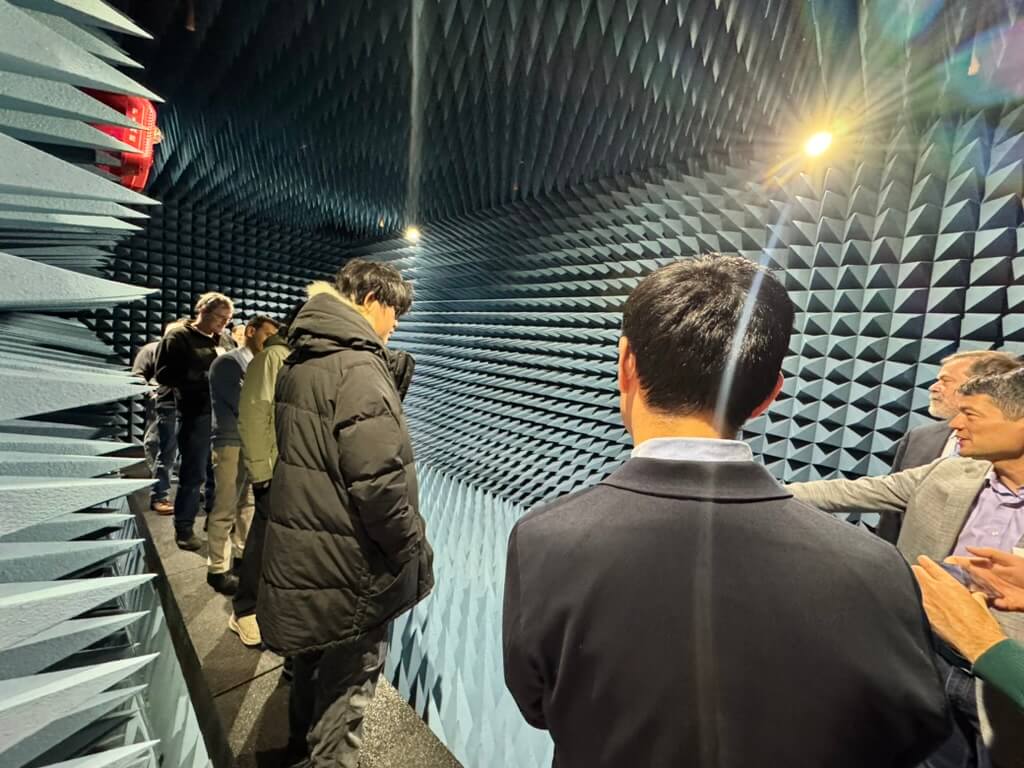
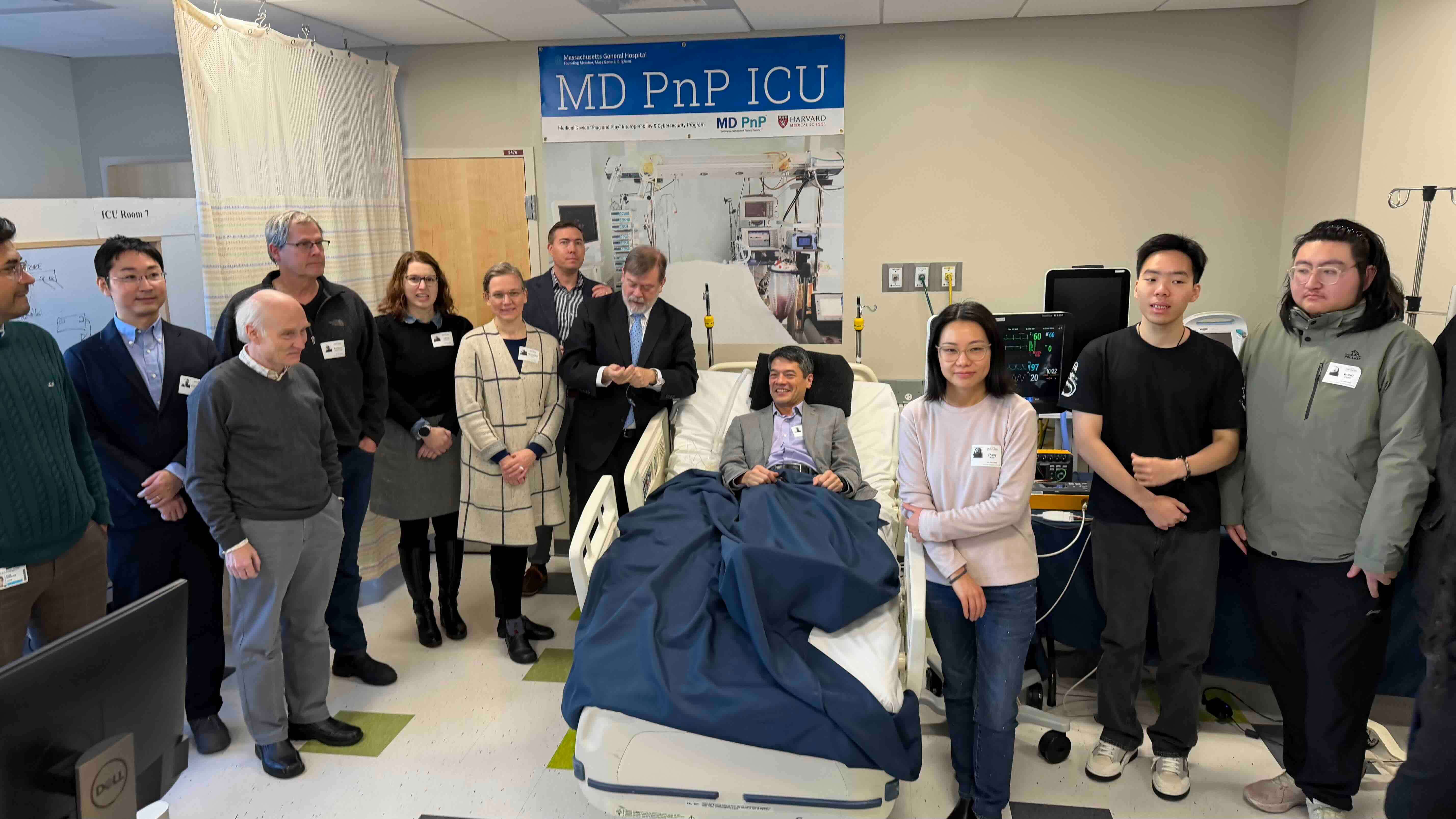
Partners in neural-device security.





News & research notes.
-1.png)

Dr. Kevin Fu, Director of the Archimedes Center for Health Care and Medical Device Cybersecurity at Northeastern ...
In August 2026, Archimedes Executive Director David Nathans joined healthcare and cybersecurity leaders at Black Hat ...
Meet the NEURO team

As PI of this project, Kevin Fu, Ph.D., is a Professor of Electrical & Computer Engineering, the Khoury College of Computer Sciences, and Bioengineering at Northeastern University. He leads research in analog cybersecurity, focusing on threats to the physics of computation and sensing, with work that has influenced medical device manufacturers, global regulators, and international safety standards. A widely published expert in medical device security, healthcare ransomware, automobile cybersecurity, RFID security, and web security, Dr. Fu previously served as Acting Director of Medical Device Cybersecurity at the U.S. FDA and Program Director for Cybersecurity at its Digital Health Center of Excellence. He has testified before Congress, co-chaired the AAMI cybersecurity working group to develop FDA-recognized consensus standards, and co-founded N95decon.org during the COVID-19 pandemic. He holds B.S., M.Eng., and Ph.D. degrees from MIT.
Email: k.fu@northeastern.edu

Professor in VLSI Circuits and Systems who specializes in industry-focused research and development in digital and mixed-signal CMOS, emphasizing low-power and hardware security. He is recognized for leading federally funded Exascale computing research at AMD Research which led to the El Capitan and Frontier supercomputers at Livermore and Oak Ridge National Labs. He also managed technology transfer from the AMD research group into advanced CPU and GPU products. Burleson has developed and taught novel courses in VLSI and Security Engineering as well as publishing over 200 papers in these fields. He has graduated 22 PhD students and 40 MS students in his 35 year career at UMass. Burleson is an IEEE Fellow and recipient of the UMass Amherst Chancellor's Medal and the ACM/IEEE A. Richard Newton Technical Impact Award in Electronic Design Automation. He has degrees from MIT and the University of Colorado Boulder.
Email: burleson@umass.edu
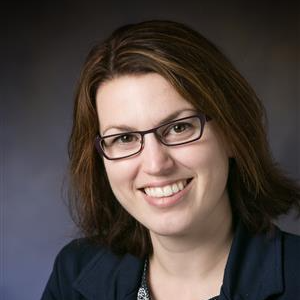
Jenny Amos, Ph.D., earned her B.S. in Chemical Engineering with a minor in Computer Science from Texas Tech University in 2004, followed by a Ph.D. in Chemical Engineering with a concentration in Cell and Developmental Biology from the University of South Carolina in 2008. She currently serves as a Teaching Professor and Laura Hahn Faculty Fellow in the Department of Bioengineering at the University of Illinois Urbana-Champaign. Dr. Amos's research focuses on engineering education, emphasizing curriculum design, program assessment, and strategies to enhance student learning through evidence-based and inclusive pedagogical practices. She also advances interdisciplinary initiatives that integrate engineering methodologies into medical education, fostering the development of professionals at the intersection of healthcare innovation and technology.
Email: jamos@illinois.edu

Julian M. Goldman, M.D. is an anesthesiologist affiliated with Massachusetts General Hospital and Harvard Medical School, where he serves as an Instructor in Anesthesia and Medical Director of Biomedical Engineering at Mass General Brigham. He earned his medical degree from SUNY Downstate Medical Center in 1985 and completed his anesthesiology residency and a research fellowship in medical device informatics at the University of Colorado Health Sciences Center. Board-certified in both Anesthesiology and Clinical Informatics, he has built a distinguished career spanning clinical innovation, biomedical engineering, and leadership in device interoperability research.
Email: jmgoldman@mgh.harvard.edu

Erika Petersen, MD, FAANS, FACS, is a Professor of Neurosurgery at the University of Arkansas for Medical Sciences, where she directs the Section of Functional and Restorative Neurosurgery and serves as program director for the neurosurgery residency. A board-certified neurosurgeon, her clinical practice and research focus on neuromodulation for movement disorders, spasticity, and chronic pain, with particular interest in developing new devices, indications, and methods for treatment. She collaborates across specialties to advance applications of deep brain stimulation and neuromodulation, and also studies the privacy and cybersecurity of implanted devices, diversity and inclusion in surgery, and the use of virtual reality in neuroscience. Dr. Petersen earned her undergraduate degree from Princeton University, her medical degree from the University of North Carolina at Chapel Hill, completed neurosurgery residency at the University of Texas Southwestern, and a fellowship in deep brain stimulation at the National Hospital for Neurology and Neurosurgery in London. She holds leadership roles in national neurosurgical and pain societies, serves on multiple editorial boards, and is a frequent lecturer at national and international meetings.
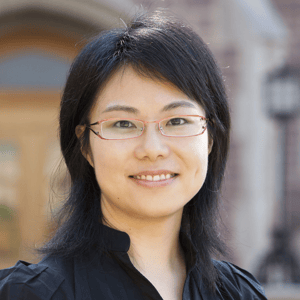
Xuan (Silvia) Zhang, Ph.D., is an Associate Professor in the Department of Electrical and Computer Engineering at Northeastern University, where she joined the faculty in January 2024. Her research interests encompass integrated circuit (IC) design, computer architecture, and electronic design automation (EDA), with a particular focus on optimizing autonomous systems for performance, reliability, security, and energy efficiency. Her work has applications across cyber-physical systems (CPS), the Internet of Things (IoT), and autonomous robotics. Dr. Zhang is also the principal investigator of the XZ Group at Northeastern University, leading a team dedicated to advancing these areas of research.
Email: xuan.zhang@northeastern.edu

Lynette Wilcox, Ph.D. is a cybersecurity engineer with degrees in Industrial and Systems Engineering and Electrical Engineering from Virginia Tech. After completing her degrees, Lynette started her career at the MITRE Corporation where she developed expertise in systems security engineering, eventually focusing on cybersecurity for manufacturing. She is a scholar-practitioner who is passionate about academic-industry partnerships and an advocate for cyber-informed engineering. Lynette is an active member of the Institute of Industrial and Systems Engineering and has served as the inaugural Track Chair for Cybersecurity and an Industry Advisory Board member of the Manufacturing and Design Division. Lynette is excited to transfer her cybersecurity expertise from the manufacturing sector toward the healthcare sector as part of the team and will continue moving forward with her personal and professional agenda to engineer resilience across people, processes, and systems.
Lynette is a nationally certified group fitness instructor and personal trainer with over 10 years of experience in the wellness industry. She truly believes that health is wealth! Lynette actively leads, educates, and empowers her community in the ways of wellness through her business, Practically Fit LLC., providing resources and services to help clients “Feel better, Move better, and Shine brighter!”

She is the Founder and Executive Director of Neurotech Network, a nonprofit organization that focuses on education and advocacy of neurotechnologies. She serves on several Boards including the Institute of Neuroethics, Global Futures Council for Neurotechnology, BRAIN Initiative MCWG & NEWG, and the American Brain Coalition (Chair). She is also a faculty member for the NeuroTech Course. Together with Drs. Hochberg & Lennerz, Jennifer recently launched the Implantable BCI Collaborative Community (iBCI-CC), a multi-stakeholder forum dedicated to advancing regulatory science in iBCIs. As a result of a snowboarding accident, Jennifer French lives with tetraplegia due to a spinal cord injury.
She is an early user of an experimental implanted neural prosthesis for paralysis and is the Past-President and Founding member of the North American SCI Consortium. She is a silver medalist from the
2012 Paralympic Games and is the 2012 Rolex Yachtswoman of the Year; the first woman with a disability to receive this distinction. She is the 2024 recipient of the Craig H. Neilsen Foundation Visionary Prize and the recipient of the Brooke Ellison Community Visionary Award.
